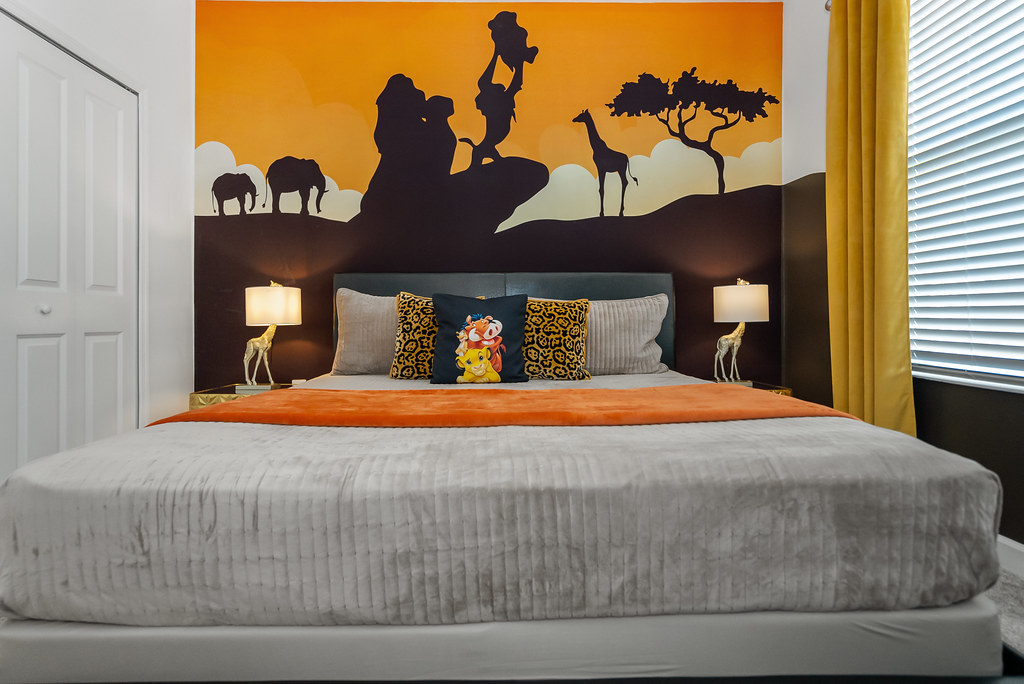
Wynwood, Midtown, and the Design District: Miami's Creative Corridor and the Furniture Standard Premium Guests Expect
Guests in this corridor are designers, architects, art collectors, and brand executives—people who evaluate visual environments professionally. Generic furniture does not just disappoint them. They articulate exactly what is wrong and write detailed reviews.
The Problem This Solves
Creative corridor guests can articulate exactly what is wrong with generic furniture and they write detailed reviews. The reverse is equally true: well-designed spaces generate enthusiastic reviews from people who are professionally trained to recognize quality.
Key Takeaways
- Creative corridor guests evaluate spaces professionally—generic furniture generates detailed negative reviews from exactly the guests you most want to impress
- Art Basel week can command 3–5x standard peak pricing for design-forward units—and nothing for generic ones
- Social sharing from design-literate guests is ongoing, organic, credible marketing that generic units cannot earn
- Outdoor spaces in this corridor are not bonus amenities—they are differentiators that command direct rate premiums
The stretch of Miami running from Wynwood north through Midtown to the Design District is the most design-conscious short-term rental market in the country. Chanel, Louis Vuitton, Valentino, and the world's leading art galleries have placed their names on buildings and storefronts here. Guests who choose to stay in this corridor are making a deliberate choice to be surrounded by design culture—and that choice comes with expectations about the space they are paying to inhabit that no other Miami micro-market matches.
The Complete Guide
Who stays in the creative corridor and what they expect
Creative industry professionals: designers, architects, photographers, filmmakers, and marketing executives who travel to Miami for Art Basel, Design Miami, and industry events throughout the year. Fashion and luxury industry visitors: the Design District's concentration of luxury houses draws buyers, brand representatives, and media whose accommodation expectations match their professional environment. Young entrepreneurial professionals: digitally native, brand-aware, and vocal on social media about spaces they love or are disappointed by. Art collectors and gallerists: Miami's year-round gallery culture draws a collector audience that spends significantly and expects a curated environment.
The distinction between designed and furnished
The distinction creative corridor guests make is between a space that was designed and a space that was furnished. Designed spaces have a point of view—the furniture, lighting, artwork, and objects tell a coherent story. Furnished spaces are just rooms with things in them. Our creative corridor packages are built with this distinction as the organizing principle. Every selection is made with an eye to how it reads as part of a complete space, not just whether it is a functional piece of furniture.
What creative corridor furniture actually needs to be
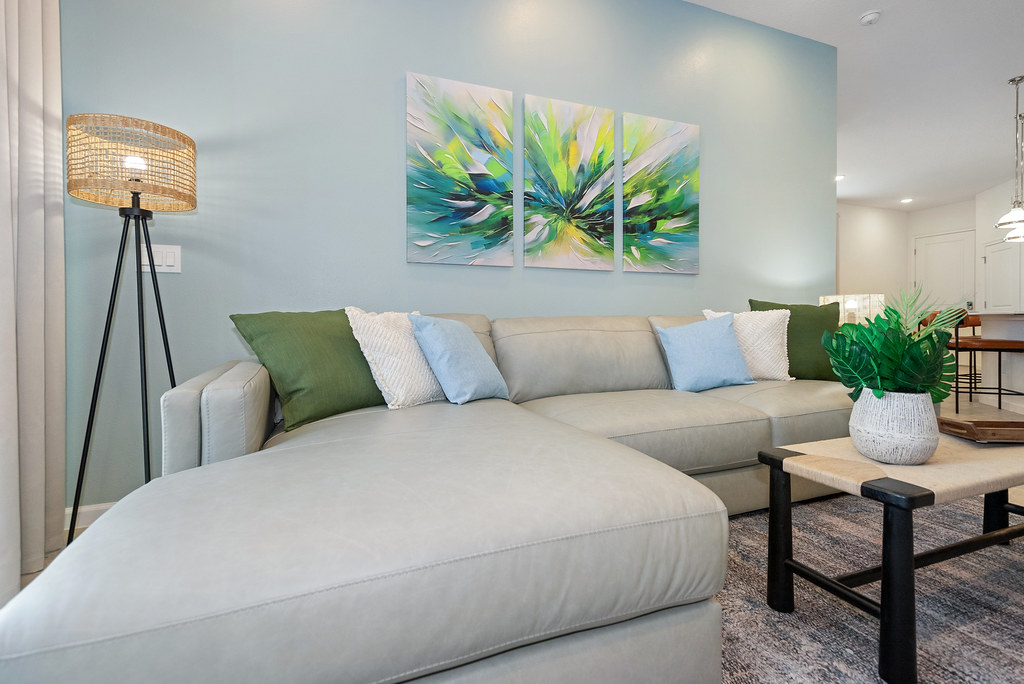
Art-forward but livable: statement artwork, graphic textiles, and distinctive lighting that reflect Wynwood and the Design District's visual language—bold, graphic, cosmopolitan—while maintaining the livability standards guests need for actual use. Outdoor spaces as signature: rooftop terraces, private patios, and ground-floor outdoor areas need to be designed as carefully as the interior. Art Basel guests and design industry professionals use outdoor spaces for work and entertainment, and a well-designed outdoor space in a Wynwood unit commands meaningful nightly rate premiums. Photography as a primary design criterion: guests in this corridor photograph and share their accommodation at higher rates than any other Miami micro-market. Design the space to be photographed by people who know how to photograph things.
The Art Basel effect on pricing and what it requires
Art Basel Miami Beach is the single most valuable booking week of the year for properties in this corridor. Units in Wynwood and the Design District can command nightly rates three to five times their standard peak-season pricing during Art Basel week—but only if the unit's design aesthetic justifies the premium. A unit commanding $300 per night in November might legitimately command $900–$1,500 during Art Basel—or it might not, depending entirely on how it presents. Investors who have furnished correctly have the visual product to justify Art Basel pricing. Those who used generic furniture leave the most valuable booking week of the year only partially monetized.
Building long-term social proof in a visually-driven corridor
Five-star reviews from Art Basel attendees and fashion industry executives are among the most credible and conversion-effective reviews in Miami's rental market. These guests share photos on social media with audiences who value design. A unit that earns organic social sharing from guests who are professional visual communicators is being marketed continuously, credibly, and at no cost. Design the space to earn it.
Common Mistakes to Avoid
- A neutral hotel-style package in a corridor where guests came specifically for design culture—the mismatch is immediately apparent to a design-literate audience
- Printed-canvas wall art or catalog décor in a neighborhood surrounded by world-class contemporary art
- An outdoor space that is present on paper but not designed as a usable, photographable environment
- Under-pricing Art Basel week because the listing does not visually justify premium rates
- Ignoring the social-sharing potential of this guest profile by designing for adequacy rather than enthusiasm
Related Community Guides
Frequently Asked Questions
Is Art Basel pricing genuinely 3–5x standard rates?
For well-positioned, design-forward units in Wynwood and the Design District, yes—the week of Art Basel is the single highest-value booking period of the year in this corridor.
Is the design investment higher here than other Miami neighborhoods?
The allocation within a similar overall budget shifts toward artwork, distinctive lighting, and design objects rather than volume of pieces. The total investment is comparable to Brickell at the same tier.
Can a Wynwood unit also serve corporate remote workers?
Yes—Wynwood's growing tech and creative industry office presence creates overlap. The key is integrating workspace into the design without breaking the aesthetic.
Do you have design experience specific to the Art Basel aesthetic?
Yes. Our creative corridor packages are built around the neighborhood's specific visual language, not adapted from generic templates.
Related Reading
Wynwood Miami Short-Term Rentals: What the Airbnb-Friendly Condo Boom Means for Investors
Why Your Miami Airbnb Is Getting 4-Star Reviews — And the Furniture Problem You Haven't Fixed Yet